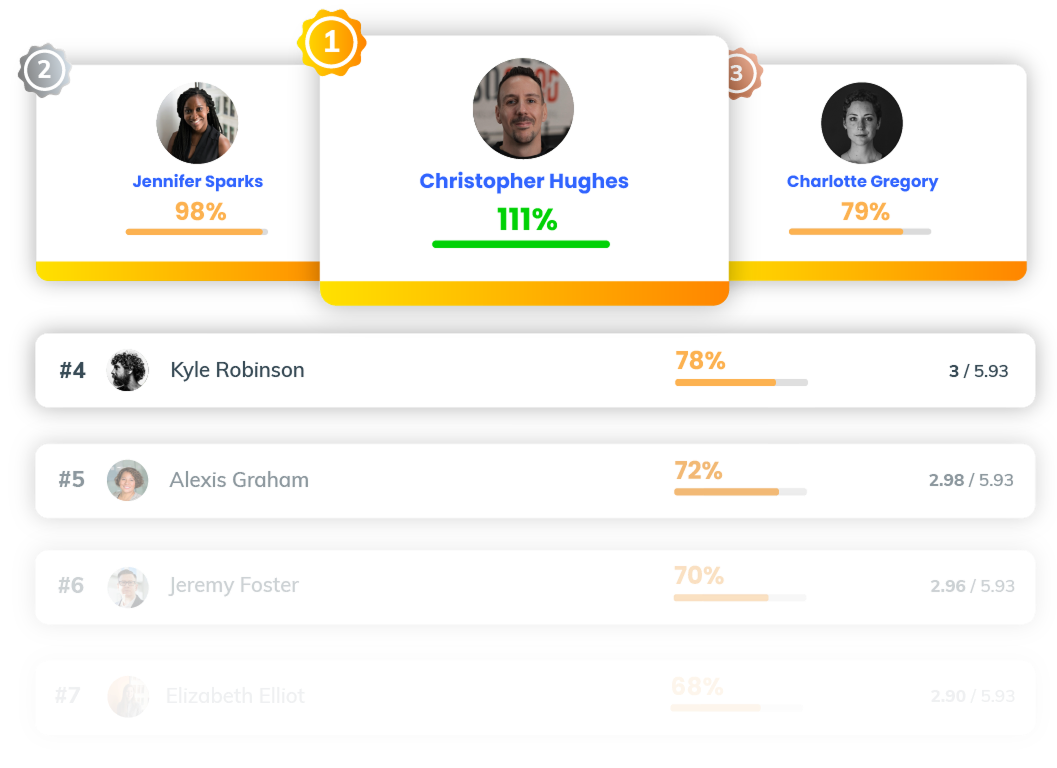















Sales is a rollercoaster. One month you’re up, the next you’re down. That’s the nature of the game. In the good months, everything a sales person touches turns to gold. They smash the ceiling of their target, and seem unstoppable to those around them.
Then, almost without changing a thing, comes the struggle.
Every sales manager faces this kind of problem. A sales rep whose numbers has slipped and doesn’t seem to be recovering or handling it well is a problem.
Leave it to fester and the team suffers. Handle it badly and you lose someone who could have turned things around.
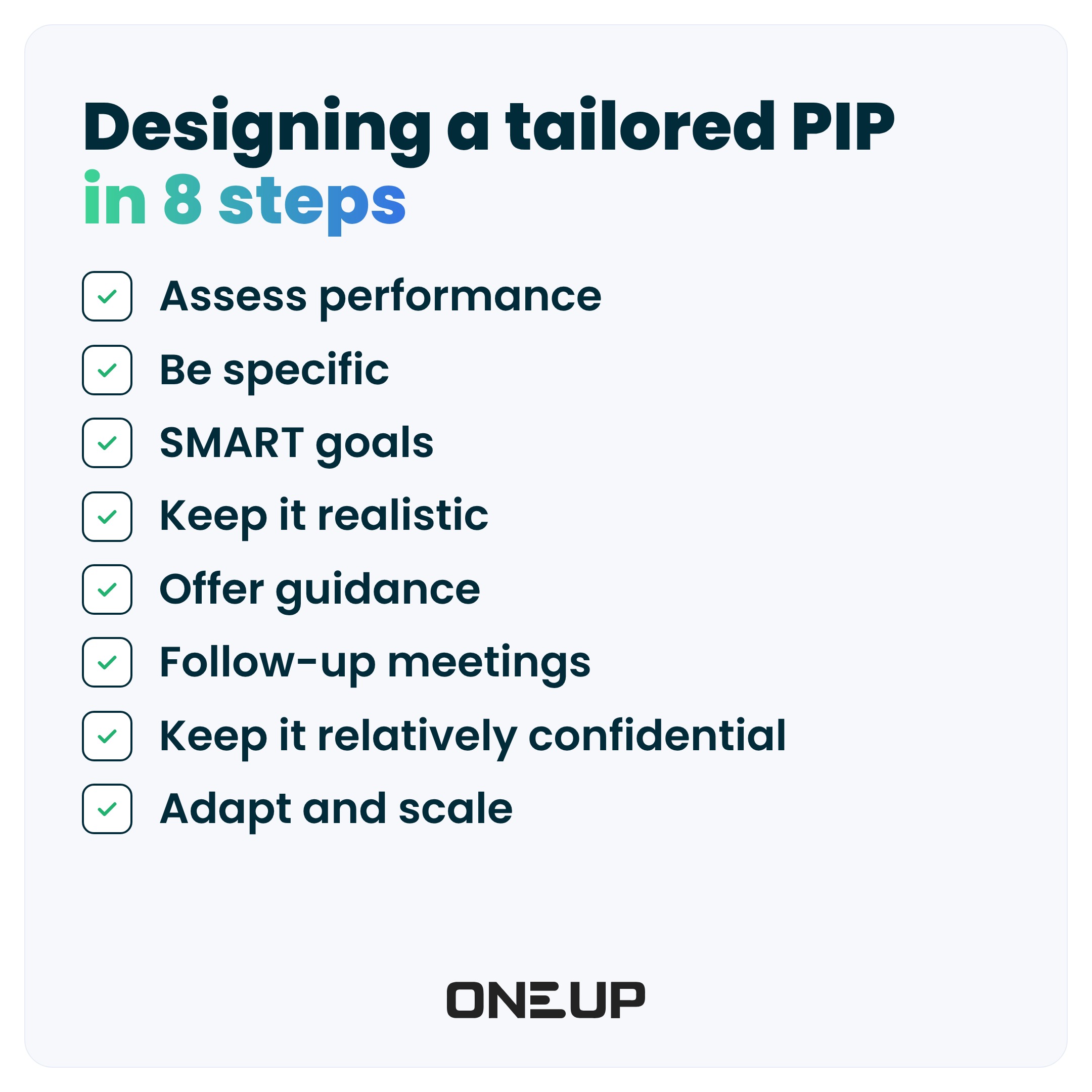
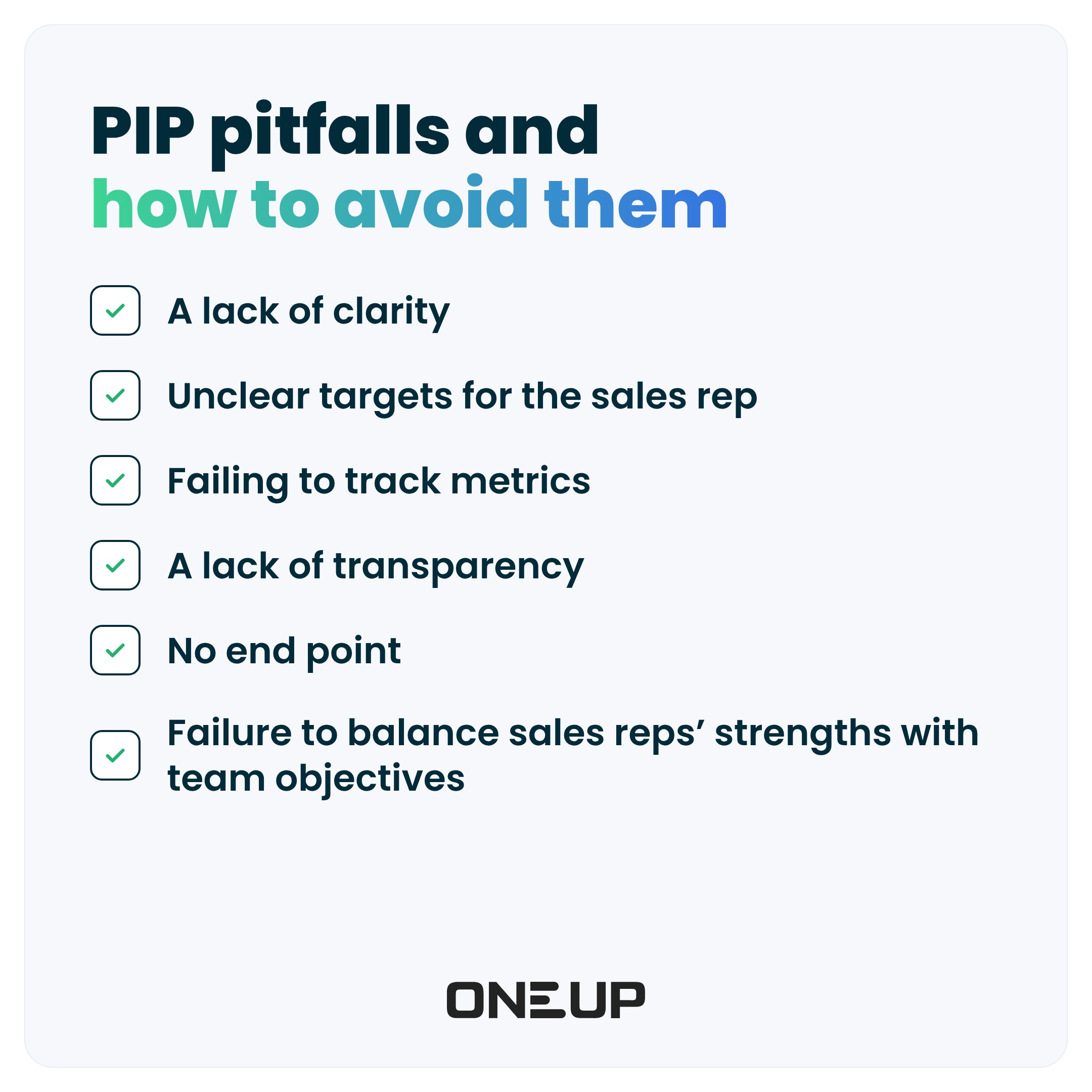
A well-run sales PIP gives you a fair, structured way through. Here’s how to build one, run it and judge if it’s worked.
What is a PIP in sales?
A performance improvement plan (PIP) is a formal plan, with a timescale that sets out where a salesperson’s falling short. It looks at what they need to achieve and the support they’ll get to do it.
It’s a tool to give someone the opportunity to succeed.
A PIP is built around measurable targets such as activity, conversion and revenue. Most run from 30 to 90 days.
In the UK, a PIP often forms part of an employer’s wider capability procedure, so make sure yours is in line with your company policy and where possible involve HR from the start.